
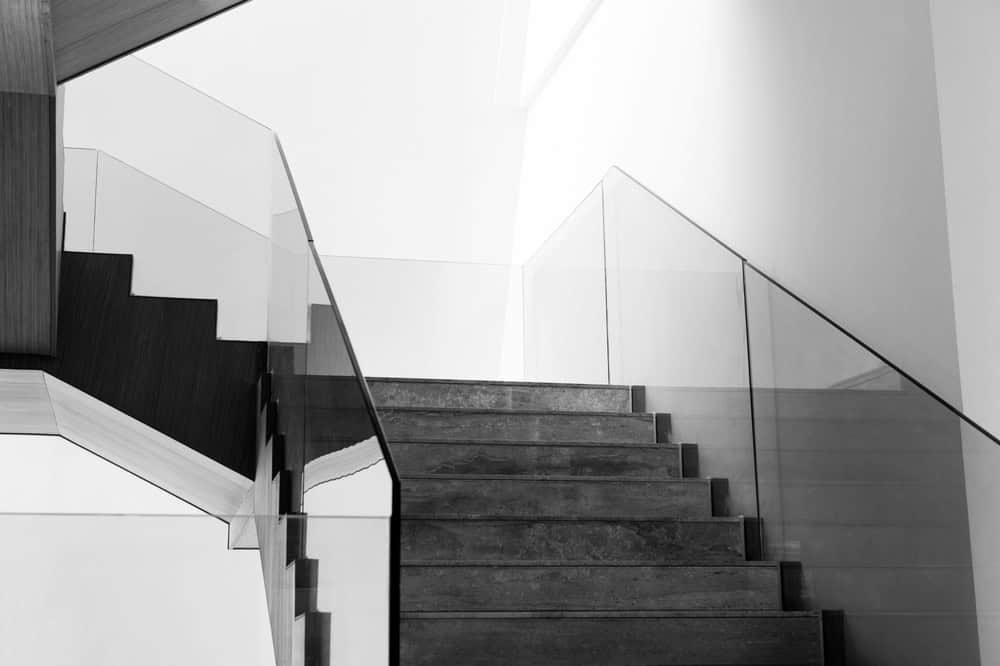
Glass railings add openness and clean lines to indoor stairs, balconies, terraces, and outdoor decks. Safety starts with selecting the correct glass type, thickness, edge treatment, and support system. Proper specifications protect people while preserving a clear view. Every installation must match local building codes, structural loads, and site conditions before the glass railing becomes part of the finished design.
Choose tempered or laminated glass
Tempered glass suits many railing systems because heat treatment gives it greater resistance to impact and temperature changes. When it breaks, it turns into small, granular pieces instead of large, sharp shards. Laminated glass uses two or more glass layers with an interlayer between them. The interlayer holds fragments together after cracking, making laminated construction useful where fall protection receives high priority.
Check glass thickness and panel size
Glass thickness should match panel dimensions, support spacing, wind pressure, and structural loads at the installation site. Larger panels usually require thicker glass or stronger engineering solutions. A qualified fabricator calculates these factors before production. Proper thickness also reduces movement and stress around fixing points.
Inspect edges and drilled openings
Glass edges require smooth finishing, especially around exposed corners and hand contact areas. Fabricators should polish or machine edges according to the selected system. Drilled holes and cutouts require precise sizing and placement. Poorly positioned openings can introduce stress and increase cracking risks during installation.
Use suitable railing supports
Clamps, channels, posts, base shoes, and fittings must match the glass specification and structural design. Stainless steel and corrosion resistant materials suit exterior installations where moisture and weather exposure occur. Every component still requires adequate strength and secure anchoring.
Meet code and load requirements
Local building regulations establish requirements related to guard height, openings, loads, glazing safety, and attachment strength. Requirements vary by location and building type, so installers should verify the applicable code before fabrication. Engineering review becomes especially important on balconies, stairways, elevated decks, and large exterior openings.
Correct glass alone does not guarantee a safe railing. Skilled installers must align panels accurately, secure every fitting, protect glass edges during handling, and follow manufacturer specifications. A properly engineered system combines suitable glass, reliable hardware, secure anchoring, and compliant installation practices. This combination gives stairs, balconies, terraces, and decks a clean appearance while supporting dependable everyday safety.